
We tend to think of winter as a slower time of year. This is usually reflected by less foot traffic than we usually see, but that doesn’t mean your flooring is in any less danger. Commercial flooring can be pretty hardy, but even then, it can be damaged by rock salt and wet snow that get drug inside. A welcome mat in front of the door isn’t going to stop this damage. So let’s talk about how to get the most out of your commercial flooring by protecting it against winter damage.
Wintery Mixture
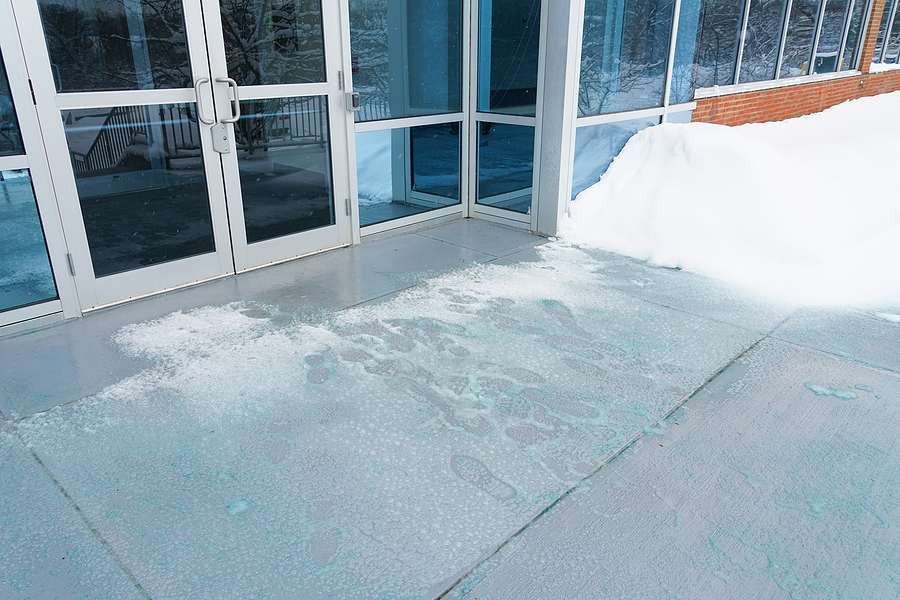
Along with the snow and freezing temperatures comes a unique wintery mix of materials that, if left untended, will wear down the look and durability of your building’s floors. These materials act like sandpaper grit; the more they get ground into the floors, the more damage they can cause over time.
- White salt residue
- Moisture from melting snow
- Dirt, road grit, and sand
- Faster wear in high foot traffic areas
- Increased slip risk near the entrance
Salt Erosion
The very thing that makes salt so effective at melting ice and making sidewalks traversable also makes it a real pain on commercial flooring. The chloride ions break down and react with the minerals in concrete, forming expanding crystals that will create cracks in your flooring. The salt crystals are also highly abrasive, rubbing back and forth on the flooring and corroding your concrete till it forms a dull finish.
Moisture Damage
As we go through the freeze/thaw cycle, melting ice and snow are inevitably going to be tracked into your commercial building. This moisture can seep into porous surfaces (like concrete), as well as cracks and seams along the floor. Letting this lie for prolonged time periods can cause serious problems. It can weaken adhesives, grow mold in the grout, and cause deeply unpleasant odors. If it’s allowed to remain, the freeze/thaw cycle will cause continued expansion of cracks and seams in your flooring.
Debris
Grit. Rocks, sand, salt crystals, and all the other little abrasive materials that stick to the bottom of your shoes in winter can wreak havoc on unprotected floors, especially in high-foot traffic areas. Over time, you will easily be able to identify where the heavy scuffs and scratches are that can make an otherwise professional business look shoddy.
Collective Residue
All of the chemicals and products used to make winter a little less oppressive can, unfortunately, cause their own set of problems. As the dirt and de-icers mix with remaining moisture tracked in, it can form into a nasty residue that will stubbornly wedge itself into the area. This accumulation will dull finishes, wear down grout, and make flooring feel sticky or gritty.
Protection and Defense
The good news is that there are steps you can take, both on a practical and professional level, that will help mitigate the damage. Utilize the following steps to help protect your flooring investment.
D.I.Y
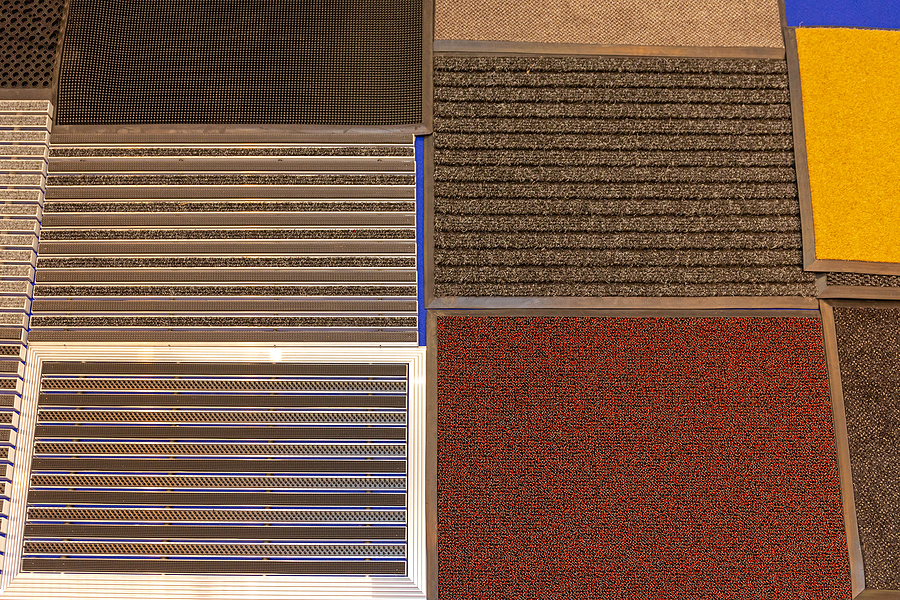
Heavy Duty Mats: Heavy-duty floor mats at entrances will help by trapping water and salt before it gets tracked into the rest of the building. They will need to be cleaned and replaced on a fairly regular basis or their effectiveness will be lowered. This is especially true whenever there is heavy snowfall.
Spills and Moisture: Do not allow moisture to rest and seep in. If you see pools of water or if you can see where your flooring is damp, address it quickly. Cleaning up stills and getting rid of stagnant moisture can help reduce damage and prevent many of the previously mentioned winter issues.
Increase Cleaning: Pay attention to your high traffic areas for accumulations of salt, dirt, debris, and the like. The longer this grit is allowed to remain, the more it will get ground into your flooring. Getting this mess cleaned up can help cut down on the collective residue and erosion that such debris can cause.
Professional
Sealing: Depending upon your type of flooring, you may want to consider a professional sealing before winter begins. There are multiple options for concrete, hardwood, stone, and more. They all protect your floors from the ravages of wintry debris. A high-quality sealant also prolongs the amount of time between repairs.
Deep Cleaning: Deep cleaning aims to remove the ground-in materials from your flooring. A powerful vacuum is used to help clear out any loose debris from the surface, while a more intensive scrubbing pulls the grit from cracks and seams.
Polishing: If you notice your floors getting dull and scuffed, a good professional polish is the answer. This works best for stone and concrete, buffing out minor scratches and imperfections. Polishing restores the shine of a floor and helps close tiny, microscopic pores, which help maintain a floor’s integrity.
Maintenance: The best way to avoid damage and inconvenient problems is to have an ongoing maintenance plan with your flooring contractor. This means regular inspections for damage or wear and tear. Consistency is key, especially when it comes to promptly addressing any issues your contractor brings to your attention.
As the winter weather continues, Vanguard is here to see to your commercial flooring needs. We offer quality, high-grade commercial cleaning for many of Springfield, OH’s most in-demand businesses. Whether you’re looking for a green solution, disinfection processes, or maintenance, Vanguard is here to keep your floor safe and reliable.